
The Hype Machine at Full Throttle
Pre release marketing for big games isn’t pulling any punches lately. Studios are pouring millions into cinematic trailers, high gloss teasers, and splashy influencer campaigns. For many players, the first contact with a new title is a polished promo that feels more like a Hollywood movie than a gameplay showcase. The problem? What’s promised in the preview often looks very different from what arrives on launch day.
One common frustration: trailers are cut to hide rough edges. You see epic visuals, slick mechanics, and just enough story to spark curiosity but often no actual gameplay. When the final product lands, confused buyers quickly learn that style doesn’t always come with substance.
Then there’s the role of influencers. Sponsored content is everywhere, and it’s altering first impressions long before anyone’s played a minute. Some creators flag their partnerships transparently. Others don’t. Either way, these early takes shape hype cycles that players now meet with cautious optimism or growing skepticism. The gap between marketing gloss and in game reality is a conversation happening more loudly in every comment section, every subreddit, every Discord server.
The takeaway? If it seems too slick to be real, it probably is. Smart gamers know to wait, watch real gameplay, and trust communities over cutscenes.
Real Gamer Opinions: What Went Wrong
When the credits roll or crash the feedback rolls in. And in 2026, the pattern is painfully clear. First, the lack of depth. Games that look rich in lore or feature packed in trailers often turn out to be shallow loops with little replay value. Players jump in expecting worlds; they end up grinding through prettier versions of what they played two years ago.
Then there are the bugs. Not the occasional texture pop in or funny NPC glitch, but full blown game breaking stuff. Frame drops, crashes, corrupted saves. Even the big studios aren’t immune, pushing out titles with heavy day one patches, like band aids slapped over broken bones. And for early buyers, it feels like paying to beta test.
Gameplay mismatches come up again and again. “This isn’t what the trailer showed,” is a near universal refrain on forums. Trailers promise fast paced action, only to deliver sluggish controls. Cinematic story beats are teased, but barely hinted at in the final product. It’s marketing polish running miles ahead of actual playability.
The result? Refund regret. Whether it’s Steam’s two hour window or console platforms with stricter rules, players are refunding as fast as they’re preordering. Not because they don’t want to love the game but because it didn’t deliver what was sold, literally.
The message is clear: hype gets people through the door, but substance keeps them from walking right back out.
Where Expectations and Reality Collide

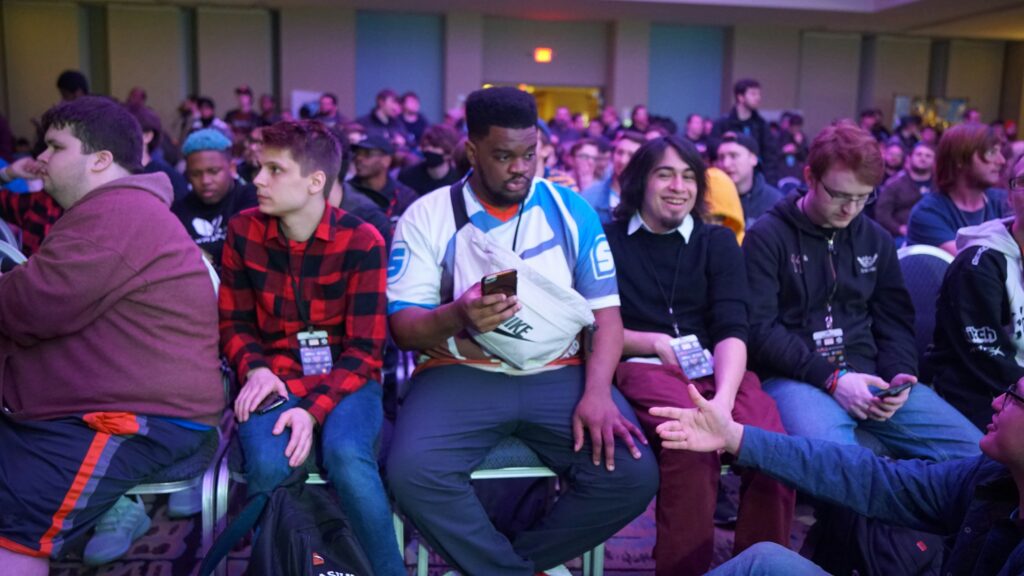
You know the drill: a game drops and the first reviews are oddly glowing, only for Reddit to light up a day later with threads full of complaints. That gap between critic scores and player sentiment isn’t new, but it’s louder now and more visible across forums, Discord chats, and TikTok breakdowns.
One common culprit? Review embargoes that lift just hours before launch. Developers say it’s standard practice. Players see it as a warning sign. Embargoes aren’t necessarily shady they give reviewers time to test and write but when they’re timed to release after preorders close, people start asking real questions.
The phrase “pretty on the outside, empty on the inside” keeps popping up. It’s the gamer way of saying, “You sold us vibes, not gameplay.” More players are learning to filter review scores through a lens of community feedback. They’re waiting for Let’s Plays, real walkthroughs, and lived in opinions before trusting the hype.
The shift is cultural. Players aren’t just buyers they’re watchdogs. And in 2026, ignoring that voice comes at a cost.
The Alternative: Play What Actually Delivers
While trailers and influencers can sell a dream, it’s real players who are cutting through the noise. Across forums, subreddits, and Discord servers, gamers are building their own recommendation systems based on time spent, story clarity, replayability, and overall value. No sponsorships needed. Just honest takes from people who’ve sunk hours into the game after launch.
These packed threads and grassroot playlists are quietly reshaping discovery. Curated lists like ‘Best Co op Indie Games Under $10’ or ‘Single Player Titles Without Microtransactions’ are gaining serious traction. People want quality, not just aesthetics. And they trust each other more than they trust Metacritic.
If you’re tired of the same loud, polished but shallow releases, dive into lists made by players who actually play. A good place to start? Hidden Gems: Underrated Games You Shouldn’t Miss.
The Bigger Picture in 2026
The games industry is starting to listen. Studios especially the smaller, more agile ones are leaning into transparency. Early access models are evolving from glorified demos to actual feedback loops. These releases are less about hype, more about listening, fixing, and showing progression. Players don’t just get a sneak peek they help shape the final product.
The result? A smarter community. Gamers are growing more skeptical of polished trailers and cinematic teasers. They’ve seen enough launch day disasters to know that flashy doesn’t always mean finished. Instead of giving in to marketing spectacle, many now wait for real gameplay footage, post launch reviews, or straight talk from creators they trust.
In the end, hype by itself is hollow. It’s not evil it builds excitement and fuels creativity but it can’t stand in for a game that’s actually fun, polished, and worth playing. Developers who pair clear communication with real value will win the long game. Everyone else gets tuned out.