How Broadcasts Have Evolved Since the Early Days
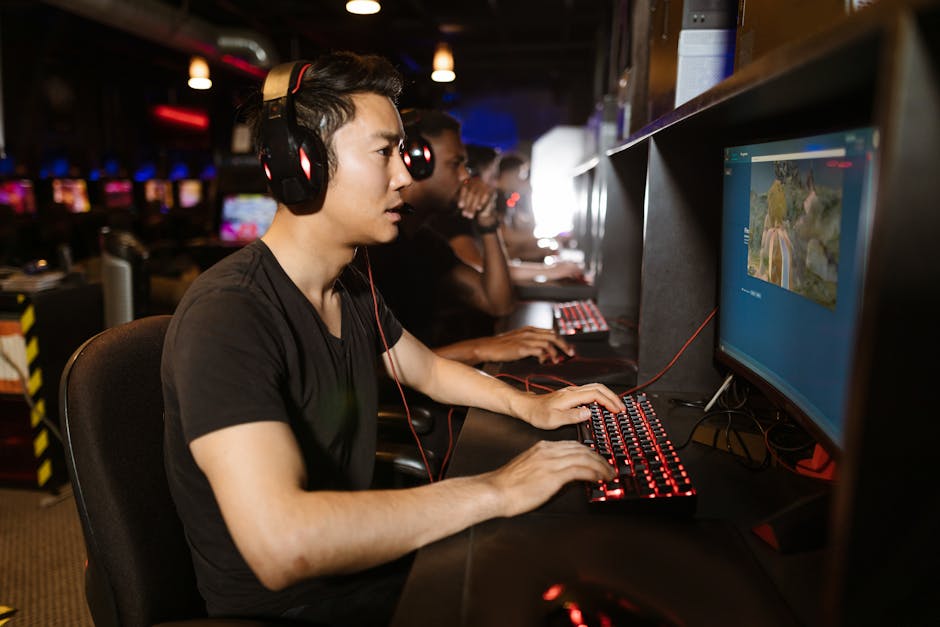
A few years back, esports streams looked like passion projects held together by duct tape. Grainy resolution, lagging cameras, one guy doing commentary from his bedroom mic it was messy but loyal fans tuned in anyway. Fast forward to now and the difference is night and day. We’re talking full scale production: multi camera angles, clean transitions, cinematic cuts, and crystal clear audio. It mirrors what you’d expect from a prime time sports event.
With that upgrade came a new layer of professionalism. Shoutcasters aren’t just friends riffing anymore many come from journalism or sports media backgrounds and bring game knowledge and narrative chops. Analyst desks break down plays with telestrator tools, while animated graphics and stats packages make streams feel informational and polished.
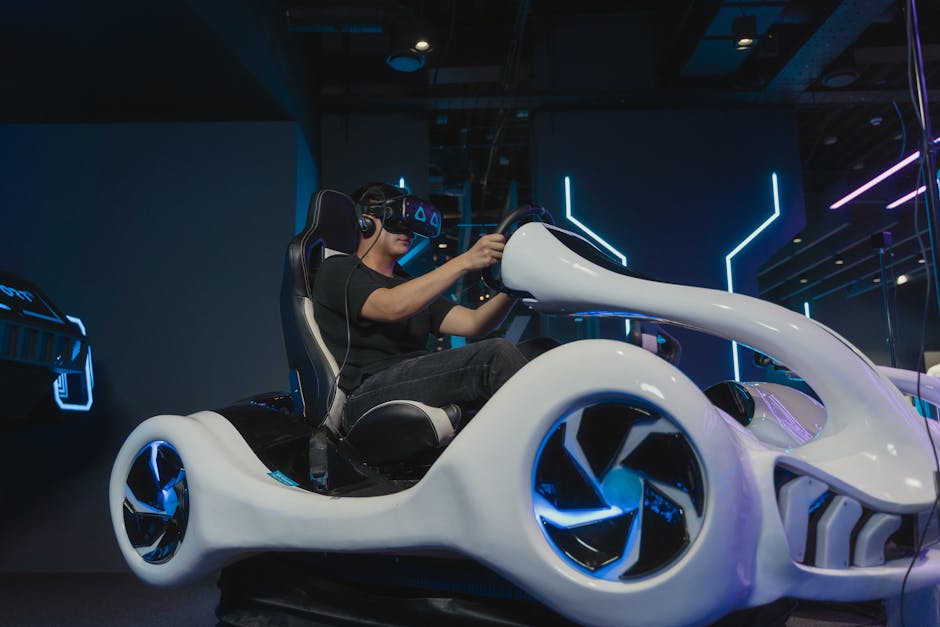
AR and VR are also starting to play a role. Not gimmicks actual tools for giving viewers more perspective. Imagine virtual replays of a battle arena or overlays that let fans track a player’s field of vision. Add that to virtual sets and custom UX layers, and suddenly watching a match becomes a more immersive experience.
All this isn’t by accident. Esports has been borrowing production standards from traditional sports for years and audiences notice. Camera angles, pacing between segments, even the music cues are lifted straight from playbooks written by Monday Night Football or the Champions League. It’s broadcast Darwinism in action: adapt or fade into the scroll.
Platform Shifts and What They Mean
Twitch still leads but it’s no longer alone at the top. YouTube Gaming is flexing its muscle with exclusive deals and better integration into the broader creator ecosystem. Kick, while still controversial, is gaining traction by giving streamers better revenue splits and looser content rules. Regional contenders like Huya (China) and Trovo (Latin America) are also carving out space by tapping into massive local audiences. The message is clear: the streaming battlefield is going global and extremely fragmented.
Some game publishers are pulling a power move by launching their own platforms entirely. Riot Games and Valve have tested out semi exclusive broadcasts on proprietary players, reducing platform dependency and taking control of monetization. It’s risky but if you’ve got the audience, it works.
We’re also seeing a serious rise in multilingual streams. Big events now come with full commentary teams covering everything from Spanish to Korean. It’s not just translation it’s tailored coverage, often with regional flair. This global approach brings in new fans and keeps retention high in developing esports markets.
Then there’s simulcasting and co streaming two trends that are quietly redefining engagement. Simulcasting lets events run across multiple platforms at once, capturing eyeballs wherever they are. Co streaming, on the other hand, turns individual content creators into part of the broadcast ecosystem. Viewers don’t just watch they watch with their favorite streamer, commentary and all. It’s personal, sticky, and increasingly the norm.
The Viewers Are Changing
Esports viewership isn’t standing still it’s adapting, fast. Gen Z is watching, but not necessarily the way broadcasters designed. They’re less likely to sit through full matches and more inclined to snack on short form content: hyper edited highlights, clutch plays set to trending audio, or blow by blow breakdowns clipped for mobile feeds. If something major happens, they want it now preferably in under 60 seconds.
Mobile first is now the default in key regions like Asia and South America. This shift has pushed platforms and streamers to optimize for vertical video, faster load times, and interactive options that don’t depend on big screens. Viewers in these regions are tuning in from subways, street corners, and tight dorm rooms not desktop setups with dual monitors.
Esports is also fusing with the viral machinery of social media. Live chats blur into meme threads. Clips go from Twitch to TikTok before the match even ends. Moments that trend aren’t always about skill they’re about personality, timing, and community reaction. Commentary goes beyond the analysts; now it’s fans, co streamers, influencers, all adding chaotic layers to what’s happening on screen.
This is what makes today’s broadcasts feel alive. Interactive overlays let fans vote on predictions, follow player POVs, or even change screen angles. Fan streamers turn matches into communal hangouts where the game is just half the story. In this era, esports broadcasting is less about watching a tournament and more about being part of a living, breathing digital event.
Data Driven Storytelling
Raw gameplay isn’t enough anymore viewers want context, insight, and control. Real time stat overlays and seamless POV switching are now standard, not just nice to have. Audiences expect to toggle between player views, watch key metrics update mid fight, and follow the rhythm of a match with full awareness of who’s up, who’s lagging, and where momentum is shifting.
Broadcasters are tapping deeper into in game APIs and audience behavior data to shape how matches are covered. Instead of generic play by play, they can now build storylines off comeback probabilities, damage accuracy curves, or live sentiment analysis from chat. Viewers aren’t just watching a match they’re watching a narrative, backed by data.
Then there’s the money layer. Betting integrations and fantasy esports lineups are bringing in a new wave of engagement. When a viewer’s prediction hinges on a specific player’s KD ratio or a map win, every round matters more. Fans aren’t just cheering they’re invested, literally.
As this data fed evolution continues, esports broadcasts are starting to look less like sports coverage, and more like a hybrid of live analytics, interactive media, and personalized entertainment. It’s fast, immersive, and built to keep viewers locked in.
Who’s Leading the Pack Now
The esports orgs thriving in 2026 aren’t just fielding top tier talent they’re media companies in their own right. Teams like T1, FaZe Clan, and G2 Esports have mastered the pivot from simple match day performance to year round storytelling. They’ve internalized something crucial: fans don’t just want to watch a game; they want to follow a journey.
Team branded content now fills the space between competitions. Think behind the scenes docu style vlogs, lifestyle content, and personalized spin offs featuring star players. These aren’t low effort side projects either they’re polished, purposeful, and built to drive engagement during the lulls in the tournament calendar. It’s a smart way to retain audience attention when matches aren’t live and build brand value that isn’t tied to wins alone.
And it’s working. Audiences are sticking around longer and engaging more deeply not just with the team, but with the people behind the jerseys. Viewers feel like insiders, not just spectators. For more on which orgs are getting it right, check out the Top Esports Teams of 2026.
What’s Next for Esports Broadcasting
The future of esports broadcasting is starting to look less like Twitch chat and more like Netflix for gamers algorithmically tailored, AI enhanced, and soaked in crossover culture.
AI powered tools are doing the heavy lifting behind the scenes. Automated highlight reels are surfacing the biggest moments within seconds, letting fans catch the action without scrubbing through hours of footage. AI commentary systems are also gaining traction, especially for lower tier matches or multilingual streams where human casting is cost prohibitive. While they’re not replacing shoutcasters anytime soon, they’re filling gaps with surprising fluency.
More interesting is the rise of micro personalized feeds. Viewers can now opt in to see specific players, angles, stats overlays, or even filter out certain aspects of the broadcast completely. It’s not quite choose your own adventure, but it’s close. This tuning of the broadcast experience to fit the individual is pulling in a wider range of viewers, many of whom prefer to watch games on their terms.
Meanwhile, the line between gaming and entertainment is blurring fast. Virtual concerts inside games, A list influencers hosting post game wrap ups, and collabs with streetwear brands are becoming common. In esports, fandom isn’t just about matches it’s a lifestyle. Broadcasters are tapping into this with content that feels more like a cultural event than a streamed game.
All of this points to a bigger reality: esports is quietly building an empire. With global audiences, 24/7 content cycles, and scalable digital experiences, the industry is positioning itself to seriously compete with traditional sports in media rights value. It’s not just about the League of Legends final anymore it’s about who owns the next generation of eyeballs, and esports is aiming to win.