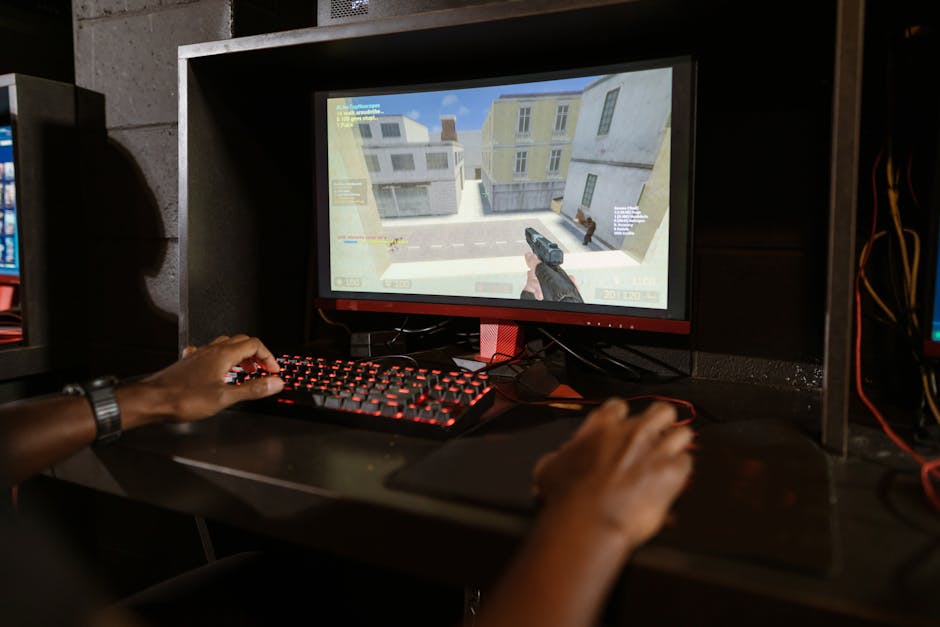

AAA Takes a Back Seat
AAA titles may still dominate the headlines, but they’re no longer the heart of gaming trends this quarter. A surprising shift has occurred and it’s pointing directly at indie developers as the current industry drivers.
Indie Engagement Is Surging
Today’s gamers are gravitating toward experiences that feel personal, unique, and emotionally resonant. As a result, indie games are outperforming expectations in both player engagement and retention.
Smaller studios are building loyal fanbases without blockbuster budgets
Titles like Dredge, Dave the Diver, and Sea of Stars are seeing millions of downloads
Authentic storytelling and distinctive art styles are standing out in crowded marketplaces
Why Gamers Are Choosing Creative Over Corporate
The industry is feeling the effect of what many are calling “big budget fatigue.” While AAA games continue to pour resources into marketing, audiences are becoming less impressed by cinematic trailers and more interested in meaningful content.
Repetitive formulas and buggy launches have tarnished AAA brand loyalty
Gamers are seeking originality, not just polish
Emotional depth and risk taking are being rewarded over technical spectacle
The Shift Toward Quality First Thinking
Where marketing might once have carried a game to success, today it’s quality that drives word of mouth and community adoption.
Streamers and YouTubers highlight gameplay over graphics
Community reviews and organic buzz can launch an underdog hit overnight
Players are more informed than ever substance matters more than scale
Indie developers aren’t just surviving they’re shaping the culture. As player expectations continue to evolve, it’s clear that innovation now holds greater sway than unlimited funding.
Retro Revival, But Smarter
The nostalgia wave isn’t slowing down, but it’s getting a serious tune up. Reboots of games from the ’90s and early 2000s are landing with updated controls, tighter combat loops, and mechanics that actually hold up today. We’re talking about more than textures and remastered soundtracks these are full scale reimaginings that respect the original but don’t get stuck in the past.
Still, nostalgia only gets you in the door. Gamers today expect real narrative weight and a level of polish that matches modern standards. A fun memory isn’t enough, especially when competing with fresh indie powerhouses or emotionally rich AA titles. So reboots that don’t evolve get left behind.
Interestingly, it’s not just full 3D action games getting love. There’s a quiet boom in pixel art revivals and side scrolling formats streamers are fueling this shift. These games are easy on the eyes, quick to jump into, and hook viewers fast, which makes them ideal for content. Expect more of these throwback styles topping Twitch charts, not just living in the shadows.
Co Op Over Competition
Multiplayer gaming is catching its breath. After years of fast twitch PvP dominance where winning meant outgunning, outbuilding, or outclicking your opponent a calmer wave is rolling in. Gamers are trading high stress lobbies for shared gardens, cozy quests, and casual team puzzles. Think less arena, more digital campfire.
The trend isn’t just about game mechanics it’s psychological. Players are tired. Burnout from always needing to be “on” has pushed many toward experiences that prioritize connection, not combat. Whether it’s farming side by side in a pixelated valley, solving quirky mysteries as a duo, or narrating a choose your own story as a squad, the goal is now to relax and recharge, not dominate.
This shift could be the start of a broader redefinition of what “social” in social gaming really means. Less competition. More collaboration. Fewer leaderboards. More lasting memories.
Influencer Led Game Design

The line between player and developer is getting thinner. Content creators aren’t just promoting games they’re shaping them. Studios are actively collaborating with streamers, YouTubers, and gaming influencers to design mechanics, shape storylines, and even co create characters. These aren’t just marketing stunts they’re part of the dev strategy from day one.
Crowdfunded betas, especially through platforms like Kickstarter and Itch.io, are giving creators and their communities early access to builds and their feedback is steering development in real time. Discord servers tied to these games have become testing labs. Bugs, gameplay tweaks, pacing devs are listening and acting fast. When a top tier YouTuber flags an issue or pitches a feature, it often ends up in the next patch.
This trend isn’t about creators playing god. It’s about developers using community DNA to build worlds players actually want to spend time in. Influencers have gone from testers to partners and games are better for it.
Subscriptions, Not Purchases
The shift from buying games outright to sampling them through subscription models is no longer a trend it’s the new baseline. Xbox Game Pass, PlayStation Plus, and similar services are turning gaming into something that feels more like browsing a playlist than committing to full price storefront decisions. For players, this means easier discovery and less risk. For developers, it means figuring out how to make a game stick once it lands in someone’s queue.
This model rewards engagement over transaction. Instead of just measuring how many copies a game sells, success is being redefined by how long people stay invested. Games that can hold attention through design depth, content updates, or tight community vibes win. Shelf life matters more than launch day buzz.
The impact goes deeper: obscure indies now share the same real estate as blockbusters. That visibility can change a small studio’s entire trajectory. But it also means devs need to rethink pacing, retention, and replayability from day one.
See our full gaming update roundup for a broader look at how this shift is playing out across the industry.
PC Port Resurgence
A few years ago, the idea of playing PlayStation exclusives on a PC would’ve been laughed off. Now it’s just Tuesday. From God of War to The Last of Us, once guarded console titles are landing on Steam and they’re finding serious staying power. PC gamers, long known for their modding ingenuity and graphics customization, are giving beloved franchises a second life. Some ports are rocky on launch, sure. But when they hit, they expand the game’s reach dramatically.
Mods are a huge part of that equation. Reimagined skins, expanded storylines, and unexpected mashups keep older titles alive well past their typical shelf life. It’s not just play it’s co creation. Communities are building on top of the original architecture, pushing games into directions the original devs never planned.
Meanwhile, the definition of PC gaming itself is stretching. Steam Deck, handheld consoles, and increasingly stable cloud gaming platforms mean you no longer need a $2,000 rig to jump in. Portability and flexibility are the new expectations. If your game doesn’t run smoothly on a lap friendly setup or on a plane’s Wi Fi, it’s outdated. The gate is open, and more players are walking in.
Hidden Gems Going Viral
Not all hits start at the top. Across the gaming world, 2024 is proving that breakout success can come from the humblest beginnings often without a major publisher or marketing budget.
Quiet Launches, Loud Impact
Some of the hottest games this quarter weren’t even on the radar a few months ago. Titles launched quietly on platforms like itch.io or in Steam Early Access are finding their moment in the spotlight thanks to social media:
TikTok clips showcasing surprising mechanics or emotional moments drive massive interest
Reddit threads championing obscure finds are creating cult followings overnight
YouTube Let’s Plays and live streams help legitimize what might otherwise go unnoticed
These platforms offer instant reach and in many cases, validation without traditional advertising.
The Power of Community Hype
Gamers trust other players more than launch trailers. While traditional marketing still plays a role, organic momentum often outpaces paid promotion. Here’s why community driven hype works:
Word of mouth spreads faster and sticks longer
Memes, mods, and community challenges keep engagement high
Players become advocates the moment they feel ownership of a unique discovery
When one viral post resonates, it can change a developer’s life overnight.
Micro Studios Are Learning Fast
Indie developers are no longer waiting for reviews or press coverage. They’re embracing real time feedback and jumping on social traction when it strikes. This shift is changing the indie landscape:
Studios are releasing demos or betas to grow communities early
Developers track social media trends to iterate quickly
Some even build games around niche communities from the start
Takeaway: The next big hit may not come from a trailer it might come from a TikTok clip at 2 a.m. Don’t overlook what’s trending in the corners of the internet. Some of the most innovative, beloved games of the quarter are coming from unknown names that just happened to land in the right feed.
Keep Watching the Space
The devs have finally started listening and not just to the loudest voices in forums. From early Discord brainstorming to streaming based playtests, players are being pulled deeper into the design process than ever before. Community insight is no longer a nice to have; it’s the backbone of some of the most talked about releases this quarter.
This collaboration shows up in every layer. Players are influencing mechanics, storylines, UI choices, even launch cadence. And in return? Developers are tapping into dedicated fanbases that back games with both feedback and loyalty. It’s a tighter loop, and one that rewards transparency and flexibility over guesswork.
Will it always work? No. But the titles that grow with their audiences are building something most AAA studios can’t fake: trust. For more signs of where the industry is heading, and who’s leading the charge, hit up our full gaming update roundup.