

I get it. You’re here because you’ve seen the buzz around livvy dunne ass and her incredible physique. It’s not just about how she looks, though.
There’s a lot more to it.
This article is all about diving deeper. We’ll look at the hard work, discipline, and dedication that go into building an elite Division I athlete.
We’ll explore the specific workouts, nutrition, and demands that shape her performance.
It’s not just surface-level stuff. We’re getting into the ‘how’ and ‘why’ of her success.
You’ll get a clear, factual breakdown of what it takes to be a world-class gymnast. No fluff, just the real deal.
The Foundation: What Elite Gymnastics Demands from the Body
Gymnastics isn’t just about looking good in a leotard. It’s a sport that demands a powerful lower body for tumbling, vaulting, and dismounts. Think about it—every move requires explosive strength, flexibility, and core stability.
Take a look at any elite gymnast. Their physique is a direct result of the specific movements their sport requires. We call this functional muscle.
It’s not just about bulking up; it’s about building the right kind of strength for the job.
The glutes, quads, hamstrings, and core are the muscle groups that make or break a gymnast. These muscles work together to generate power and control. Without them, you’re just flailing around on the mat.
Imagine a sprinter or a weightlifter. Their bodies are built for speed and strength, respectively. A gymnast’s build is similar.
Form is dictated by function. (It’s like how livvy dunne ass is all about the perfect blend of strength and aesthetics.)
So, if you want to excel in gymnastics, focus on these key areas. Build that explosive power, and you’ll see the difference in your performance.
Key Workouts for Building Lower Body Power and Stability
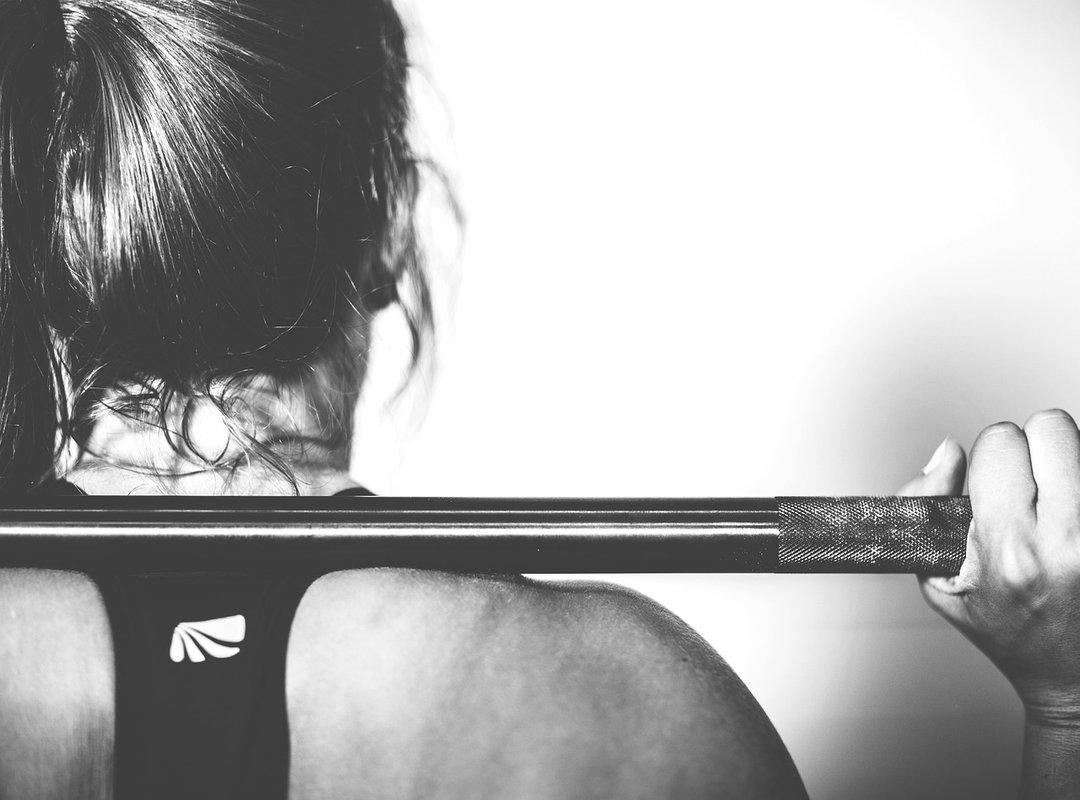
If you want to build powerful glutes and legs, you need to train like a gymnast. Trust me, I’ve seen it work.
1. Plyometric Box Jumps
These jumps target your quads, glutes, and calves. They also help with explosive power.
Just make sure you land softly to avoid injury.
2. Deep Squats
Deep squats are a must. They hit your quads, hamstrings, and glutes.
Plus, they improve your overall lower body strength. (Pro tip: Keep your form tight and don’t let your knees cave in.)
3. Bulgarian Split Squats
This exercise is killer for your quads and glutes. It also helps with balance and stability.
Make sure to keep your front knee aligned over your ankle.
4. Glute Bridges
Glute bridges focus on, well, your glutes. But they also engage your hamstrings and lower back.
This move is great for building a strong, stable core.
Speaking of the core, it’s essential for transferring power to your lower body. Think of it as the bridge between your upper and lower body. (Like how livvy dunne ass connects her upper and lower body, if you catch my drift.) livvy dunne ass
Core Exercises
– Planks: Hold a plank to strengthen your entire core.
– Russian Twists: These twists target your obliques and help with rotational stability.
– Leg Raises: Great for your lower abs and hip flexors.
Consistency and progressive overload are key. You won’t see results overnight, but with time and effort, you’ll build that power and stability.
Focus on proper form. It’s better to do fewer reps with perfect form than more reps with sloppy form. And don’t forget to mix up your routine.
Variety keeps your muscles guessing and prevents plateaus.
So, what should you do? Start with these exercises. Add them to your routine.
And stick with it. Your lower body (and your core) will thank you.
The Role of Nutrition in Fueling Athletic Performance
When we think about athletic performance, we often focus on the grueling hours of training. But let’s be real—training is only one part of the equation. Nutrition plays a massive role too.
Elite athletes know this. They follow a nutritional strategy that’s all about high-protein intake for muscle repair and complex carbohydrates for sustained energy. It’s not just about eating more; it’s about eating the right foods at the right times.
Fueling for performance is different from casual dieting. An athlete in training, like a gymnast, needs an immense number of calories to keep up with their intense regimen. We’re talking about serious caloric needs here.
Hydration is key. So are micronutrients and proper meal timing. These factors help optimize recovery and muscle growth.
Think of it as giving your body the tools it needs to rebuild and get stronger.
One common myth is that you need to restrict your diet to achieve an athletic build. That’s far from the truth. Eating enough of the right foods is what matters.
Restrictive dieting can actually hinder your performance and recovery.
And let’s not forget, even top athletes like Livvy Dunne ass (yes, I said it) need to pay attention to their nutrition. It’s not just about looking good; it’s about performing at their best.
So, if you want to take your performance to the next level, start by looking at what you’re putting into your body. Trust me, it makes a huge difference.
Navigating Public Scrutiny and Media Portrayal
Terms like livvy dunne ass are highly searched because of the intense media focus on female athletes. It’s frustrating, to say the least.
The media often fixates on their appearance, overshadowing their incredible athletic achievements.
Social media has amplified this phenomenon. It creates both opportunities for personal branding and challenges related to public objectification.
- Athletes face constant scrutiny over their looks.
- They also have a platform to share their stories and connect with fans.
The conversation around Name, Image, and Likeness (NIL) deals adds another layer. Athletes like Livvy Dunne are navigating this new landscape, balancing their personal brand with their athletic career.
It’s important to appreciate athletes for their skill, hard work, and accomplishments. Not just their appearance.
What’s next? We need to shift the narrative. Focus on their talent and dedication.
Celebrate their victories and support their journey.
 Maryanna Reederuns is the kind of writer who genuinely cannot publish something without checking it twice. Maybe three times. They came to upcoming game releases through years of hands-on work rather than theory, which means the things they writes about — Upcoming Game Releases, Player Reviews and Insights, Game Strategy Guides, among other areas — are things they has actually tested, questioned, and revised opinions on more than once.
That shows in the work. Maryanna's pieces tend to go a level deeper than most. Not in a way that becomes unreadable, but in a way that makes you realize you'd been missing something important. They has a habit of finding the detail that everybody else glosses over and making it the center of the story — which sounds simple, but takes a rare combination of curiosity and patience to pull off consistently. The writing never feels rushed. It feels like someone who sat with the subject long enough to actually understand it.
Outside of specific topics, what Maryanna cares about most is whether the reader walks away with something useful. Not impressed. Not entertained. Useful. That's a harder bar to clear than it sounds, and they clears it more often than not — which is why readers tend to remember Maryanna's articles long after they've forgotten the headline.
Maryanna Reederuns is the kind of writer who genuinely cannot publish something without checking it twice. Maybe three times. They came to upcoming game releases through years of hands-on work rather than theory, which means the things they writes about — Upcoming Game Releases, Player Reviews and Insights, Game Strategy Guides, among other areas — are things they has actually tested, questioned, and revised opinions on more than once.
That shows in the work. Maryanna's pieces tend to go a level deeper than most. Not in a way that becomes unreadable, but in a way that makes you realize you'd been missing something important. They has a habit of finding the detail that everybody else glosses over and making it the center of the story — which sounds simple, but takes a rare combination of curiosity and patience to pull off consistently. The writing never feels rushed. It feels like someone who sat with the subject long enough to actually understand it.
Outside of specific topics, what Maryanna cares about most is whether the reader walks away with something useful. Not impressed. Not entertained. Useful. That's a harder bar to clear than it sounds, and they clears it more often than not — which is why readers tend to remember Maryanna's articles long after they've forgotten the headline.