Dial in on Your Core Game
Before you get good, you need to get focused. Jumping between five different multiplayer games is a fast track to mediocrity. Pick one title. Lock it in. Learn everything about it rules, rhythms, quirks. Mastery starts with commitment.
Once you’ve chosen your battlefield, dive deep. Study the metagame: roles, maps, spawn timers, power up cycles, and objective rotations. Know how the game flows before you play to win. If your teammates are running one strat and you’re out of sync, you’re not helping no matter how good your aim is.
Start watching high level players. The pros and top tier streamers won’t hold your hand, but they’ll teach you the layers casual play doesn’t reveal. How they rotate, when they disengage, how they hold positions that’s the stuff that sharpens instincts. Don’t mimic blindly, but take notes and translate it into your style.
Commit. Study. Apply. That’s how you level up.
Master the Fundamentals
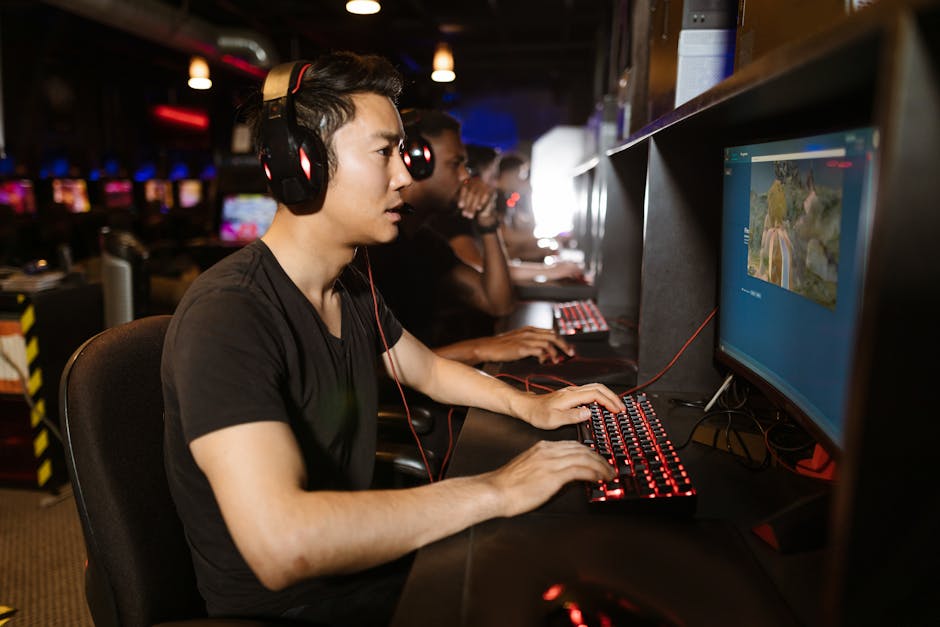
If you want to stop getting stomped online, you’ve got to lock in the basics. Good mechanics win games period. That means fluid movement, controlled aim, and timing that doesn’t crack under pressure. Strafes, peeking, slide cancels every frame counts. Aim isn’t just about quick flicks either. It’s consistency shot after shot. Get used to tracking and precision, not just fancy headshots for montages.
No one warms up because it feels great; they do it because it works. Five to ten minutes in a practice mode before diving into ranked will sharpen your reflexes and get your eyes dialed in. Target training maps, aim trainers, or even bot matches help you show up steady when the pressure hits.
And yeah, communication separates solid players from real teammates. You don’t need to run your mouth constantly but clear callouts, pings, and non toxic coordination win rounds. Know the map? Say where enemies are. Don’t just complain contribute. Whether you’re solo queuing with randoms or grinding ranked with a squad, your mic discipline matters.
Nail these fundamentals, and you’ll stop being a liability and start carrying weight.
Build Smart Routines
Grinding for hours sounds noble, but it’s not how you get good fast it’s how you burn out. Break your training into focused, daily blocks. Forty five minutes of aim drills, thirty for map study, a few matches of ranked play. Keep it tight and measurable. Overtraining kills motivation and fries reaction time. You’re building muscle memory, not chasing exhaustion.
Next: VOD review. Most players skip it and stay stuck. Record your matches, then give them 20 minutes the next day. Watch how you die, when you hesitate, and where you fumble positioning. Be honest. You’ll learn more in one review session than in ten careless games.
And finally: your mindset is part of the routine. A single bad match doesn’t say anything about your ceiling. Don’t spiral. Take a breath, tab out, walk for five. Reset. Pros have short memory so should you. The win is how fast you reset, not how often you tilt.
Gear and Settings Matter
Raw skill is king, but bad gear and sloppy settings can kneecap even the best reflexes. First rule? Prioritize performance over eye candy. Kill the flashy shadows, dial down ultra textures, and turn off anything that tanks your frame rate. In competitive multiplayer, smoother gameplay always beats pretty visuals.
Next, ditch the wireless setup. Latency matters, even if it’s just a few milliseconds. Wired controllers and headsets give you faster, more stable responses. No dropped connections, no lag when it matters most.
Last and this matters more than people admit build your settings around what feels natural for you. Copying a pro’s DPI, FOV, or button layout might feel elite for a day, but your long term growth depends on muscle memory you can trust. Customize until it clicks. The goal is control, not imitation.
Play With (and Against) Better Players
If you want to improve, ranked mode isn’t optional it’s where the pressure forces real growth. Casual lobbies might be fun, but they’re not consistent. Ranked gives structure, stakes, and feedback. The climb gives you a reason to analyze mistakes, tighten up mechanics, and test changes under fire.
Going solo in ranked will humble you. No excuses, no teammates to lean on just you, your decisions, and their consequences. It builds resilience fast. You’ll either adapt or sink.
But don’t sleep on team queue. Playing with others teaches cooperation, callout timing, and rhythm. You grow in different ways less about hero plays, more about flow and trust. Balance both solo and squad time to round out your skill set.
And remember: losing isn’t failure it’s data. Every loss, every choke, every misstep gives clues. Review your gameplay, note bad habits, and adjust. Improvement isn’t always flashy, but it’s always earned.
Keep Up with the Meta
If you’re serious about rising in competitive multiplayer, you can’t sleep on updates. Patch notes and system tweaks can quietly and sometimes not so quietly reshuffle the tier list overnight. A minor nerf to your go to character or a buff to an underused weapon can turn your playstyle sideways fast.
That’s why tracking patch updates and reading community forums isn’t optional. It’s recon. Stay plugged in so your strategy doesn’t fall behind the curve. The players who keep climbing aren’t just skilled they’re informed.
And when change hits, don’t panic. Adaptation is a skill in itself. Want an edge? Try these internet gaming tips to stay ahead when the meta shifts.
Speed matters. So does flexibility. Read the updates, watch the discussions, then adjust your loadout and mindset before your next match, not after three straight losses.
Don’t Ignore the Mental Game
Pressure Is Part of the Game
Whether you’re in a high stakes ranked match or a casual lobby, your mental state can be the difference between a loss and a legendary comeback. Mastering your mindset under pressure is key to peak performance.
Most clutch plays aren’t about mechanics they’re about staying focused
Breathe, pause, and regroup when tension rises
Know your triggers so you can manage them
Mid Session Tilt? Reset, Don’t Spiral
Everyone tilts. What separates great players is how fast they recover. Learning how to reset in real time is a major skill that improves consistency.
Step away for 2 5 minutes after a frustrating match
Switch roles or play a warm up mode to reset energy
Focus on objective feedback, not emotions
Confidence Is Built, Not Given
You won’t feel ready every time, but preparation builds trust in your abilities. The more consistent your training and review, the more naturally confidence will come.
Study your wins and losses with intent
Set small, trackable goals for each session
Remember: small wins compound over time
Extra Edge?
Want even more strategies to stay sharp? Explore this collection of internet gaming tips for mindset tools and performance insights.
Wrap Up: Grind With Intention
Improving at competitive multiplayer isn’t some cryptic art. It’s a system and it rewards structure over spontaneity. The best players aren’t just talented; they’re disciplined. They break down their weaknesses, track patterns, and commit to small, daily improvements that add up over time.
Consistency always trumps occasional brilliance. A killer match might feel good, but it’s the less glamorous grind repeating drills, reviewing plays, locking in habits that actually levels you up. Flashy clips don’t build ranking. Reps do.
So show up. Even when you’re tired. Especially when you’re losing. That’s when learning happens. Push through the plateaus, take notes from every match, and stay humble enough to keep building. Progress isn’t magic. It’s work executed with purpose.