
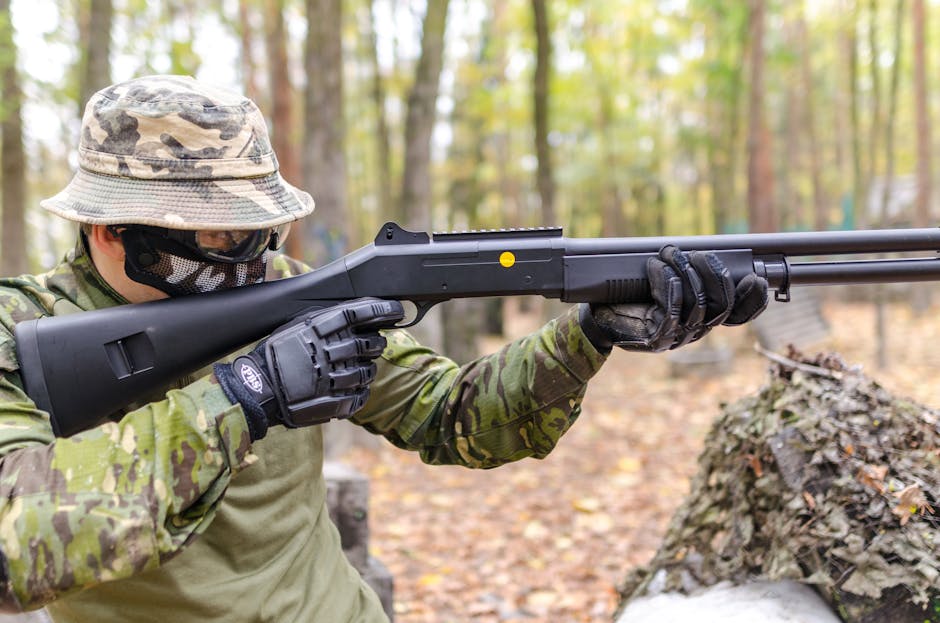
Choosing the Right Starting Gear
What you grab at the start can either carry you through chaos or leave you scrambling when it matters most. Your loadout isn’t just gear; it’s your opening strategy. In survival games, how you start shapes how long you’ll last. Think function over flash.
Versatility’s king here. Grab tools that do more than one job. Hatchet that chops wood, AND cracks skulls? Take it. Multi use gear doesn’t just lighten your inventory; it makes you faster, leaner, more adaptive. Crafting? Defense? Scavenging? One item that covers multiple bases wins over a shiny one trick weapon.
And don’t get caught chasing raw stats. High numbers look good on paper, but break down fast under pressure. Go for durability. Go for gear that works hard, takes hits, and keeps doing the job. That’s how you last longer and make every move count.
Mastering the Art of the Early Game
Your first hour decides everything. If you don’t learn the terrain fast, you’re just wandering meat. Open the map, scan landmarks, and figure out key choke points, resource clusters, and escape routes. The faster you get your mental compass straight, the longer you live.
When it comes to scavenging, ditch the hoarder mindset. Prioritize food, clean water, and basic shelter anything else can wait. A solid base and a full stomach will outlast flashy gear any day. Keep an eye out for multipurpose items a tarp can be cover, a bedroll, or bait in a tight pinch.
Now the big call: go loud or stay in the shadows? Early aggression works if you’ve got intel and an advantage. Catching someone off guard can mean free loot and control of a resource zone. But if you’re under equipped or unsure, stealth wins. Watch movement patterns, avoid noise, and loot the fringes. Smart players don’t pick fights they pick moments.
Combat Strategy Under Pressure
Survival combat is rarely clean and never predictable. Thinking clearly under pressure can mean the difference between surviving an ambush and losing hours of progress. Here’s how to stay in control when things get chaotic:
Prioritize Your Targets Wisely
Not all enemies pose equal threats. Speed often kills in survival scenarios, so disabling or eliminating the fastest opponent first prevents you from being overrun.
Focus on high mobility enemies they mess with your rhythm
Avoid tunnel vision on tankier foes who deal less immediate damage
Learn enemy types and movement patterns during safer moments
Master the Art of Enemy Manipulation
You don’t have to fight fair. Use your surroundings to exploit enemy behavior and gain the upper hand.
Trap setups: Lure enemies into chokepoints or environmental hazards
Distraction tactics: Throw items or make noise to divert attention
Break line of sight: Use terrain to reset engagements in your favor
Positioning isn’t just defensive it’s psychological. You want the enemy making mistakes, not you.
Manage Your Stamina Like a Resource
Your stamina bar is more valuable than your health bar in sustained combat. Poor stamina management can leave you defenseless when it counts.
Avoid panic sprinting save bursts for dodging or repositioning
Use short bursts of melee, not all out swings, to conserve energy
Learn the downtime between combat loops to recover safely
Treat your combat stamina as if it’s limited ammo: every move should serve a purpose.
Adaptability, cunning, and energy control will keep you alive longer than brute strength ever could.
Building a Defensible Stronghold
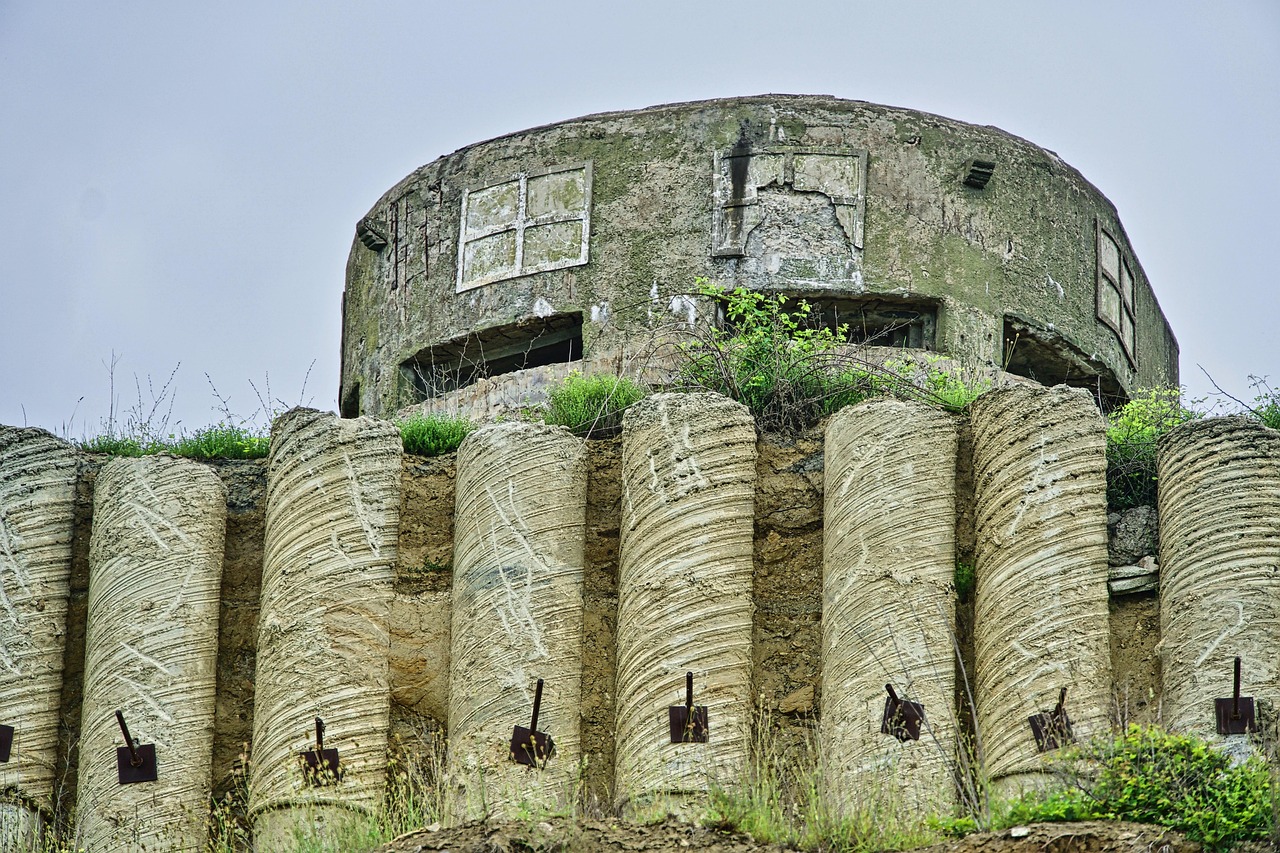
Good base placement can mean the difference between surviving the night or starting from scratch. Prioritize high ground. It gives you better visibility and forces attackers to work harder to reach you. Next, think tight: build in zones that limit access. Narrow valleys, cliff corners, or dead end terrain funnels are your friend. If you can anchor near a water source, even better hydration without travel risk adds serious sustainability.
Don’t burn prime materials too early. Reinforcement hacks like layered walls using basic scrap, bait fencing, and decoy structures buy time without draining resources. Think in layers: outer distractions, mid tier slowdown zones, and finally the core. Use weak materials you can replace fast but still stall enemies.
And here’s where the smart players stand out: fallback points. Don’t rely on a single door or last stand room. Tunnel out secret paths, set respawn zones in staggered spots, and place stashes in more than one compartment. When your front line gets breached, fall back without panic because you planned to.
You’re not building a monument. You’re building something that buys you minutes and those minutes can win you the game.
Mind Games and Situational Awareness
In high stakes survival, awareness is your sharpest weapon and it starts with sound. Footsteps, distant gunfire, the crack of a snapped twig these aren’t just threats; they’re tools. Throw a rock or fire off a round to draw someone out. Mask your escape with ambient sound. Lure enemies into traps with decoys. If you’re not thinking with your ears as much as your eyes, you’re behind.
Environmental manipulation is underrated. Fog, heavy rain, and nightfall tilt the odds. Blend into dense terrain. Move when visibility lowers. Use shadows to break line of sight. Darkness won’t keep you safe forever, but it buys time for the smart ones.
Most lethal mistake? Thinking you’re alone. Even in solo servers, players leave traces and predators watch patterns. You’re never as isolated as you think. Assume you’re being tracked until proven otherwise. Paranoia is unhealthy in real life. In the game, it’s strategy.
Leveraging Game Mechanics to Survive Longer
The environment isn’t just background art it’s a live system you can and should exploit. Weather, for example, can be a weapon. Heavy rain drowns sound, helps with stealth. Fog? Perfect cover for a sudden ambush. Night cycles slow NPCs, throw off player patterns, and force risk takers into the open. Instead of waiting out bad conditions, learn what they give you.
Same idea applies to status effects. We’re trained to see poison, fatigue, or freezing as problems. But if you’re smart, you can flip them against enemies. Poison traps drain stamina over time; smoke and gas affect both line of sight and movement speed. Sometimes getting hit with a status is worth it if you know others will suffer more.
Timing also makes survival easier. Danger zones, blood moon cycles, seasonal bosses these don’t come out of nowhere. Game systems follow patterns. So prep smart: upgrade your armor, stock healing supplies, or recharge gear right before a spike in danger. Be the one ready when everyone else is low on resources.
Master the systems. The game gives away openings you just need to pay attention.
Grinding Without Burning Out
Survival games are endurance tests, not just reaction tests. Burnout kills more runs than bad loot or bad luck. The players who last are the ones who learn how to manage their time like a resource because it is.
Start by splitting your sessions intentionally. Allocate blocks for looting, crafting, combat, and straight mental downtime. Don’t just chase shiny objectives one after the other. Looting empty areas for an hour straight? That’s how you burn out. Rotate tasks: finish a fight, regroup at camp, fix your gear or craft upgrades, then venture out again. Keep the loop moving.
And yes rest matters. Even in game, slowing down helps decision making. Set up safe zones where your character and brain can breathe. Long term survival depends on mental clarity, not just strong armor.
Want more actionable pacing hacks? Check out Leveling Up Faster Without the Burnout. It’s worth the bookmark.
Bonus Pro Tip: Psychology Over Mechanics
Survival isn’t just about loot tables and stat sheets it’s about how you think under pressure. Many intense moments in survival games are won or lost in the split second between action and hesitation. That’s where mindset takes over.
Confidence Wins Fights
Hesitating in combat often leads to disaster. When you’re unsure, your aim slips, your timing falters, and you react instead of leading the encounter. Train confidence like a skill:
Commit to your decisions once made second guessing slows you down
Practice high risk scenarios to desensitize panic
Stick with your weapon type of choice to build muscle memory
Outsmart, Don’t Outstat
Raw stats matter but understanding your opponent can tip the scales in your favor. Whether it’s an NPC or another player, behavioral patterns often repeat. Learn to anticipate their next move:
Predict based on past encounters how did they move or attack before?
Bait out a reaction, then punish their mistake
Use hesitation or fake outs to get into their head
Trust Your Instincts
Game sense is earned. The more you play, the sharper it gets. Once you’ve seen enough situations unfold, your instincts become one of your best tools for survival.
Fast decisions in high stakes moments come from experience, not luck
Don’t overthink when time is short lean on your gut
If your senses tell you something’s off (e.g. too quiet, no footprints), act on it
In the most critical situations, it’s not the one with better gear who survives it’s the one who reacts faster, thinks ahead, and refuses to pause when seconds matter.
 Havros Yelthorne writes the kind of esports coverage and updates content that people actually send to each other. Not because it's flashy or controversial, but because it's the sort of thing where you read it and immediately think of three people who need to see it. Havros has a talent for identifying the questions that a lot of people have but haven't quite figured out how to articulate yet — and then answering them properly.
They covers a lot of ground: Esports Coverage and Updates, Latest Game News, Game Strategy Guides, and plenty of adjacent territory that doesn't always get treated with the same seriousness. The consistency across all of it is a certain kind of respect for the reader. Havros doesn't assume people are stupid, and they doesn't assume they know everything either. They writes for someone who is genuinely trying to figure something out — because that's usually who's actually reading. That assumption shapes everything from how they structures an explanation to how much background they includes before getting to the point.
Beyond the practical stuff, there's something in Havros's writing that reflects a real investment in the subject — not performed enthusiasm, but the kind of sustained interest that produces insight over time. They has been paying attention to esports coverage and updates long enough that they notices things a more casual observer would miss. That depth shows up in the work in ways that are hard to fake.
Havros Yelthorne writes the kind of esports coverage and updates content that people actually send to each other. Not because it's flashy or controversial, but because it's the sort of thing where you read it and immediately think of three people who need to see it. Havros has a talent for identifying the questions that a lot of people have but haven't quite figured out how to articulate yet — and then answering them properly.
They covers a lot of ground: Esports Coverage and Updates, Latest Game News, Game Strategy Guides, and plenty of adjacent territory that doesn't always get treated with the same seriousness. The consistency across all of it is a certain kind of respect for the reader. Havros doesn't assume people are stupid, and they doesn't assume they know everything either. They writes for someone who is genuinely trying to figure something out — because that's usually who's actually reading. That assumption shapes everything from how they structures an explanation to how much background they includes before getting to the point.
Beyond the practical stuff, there's something in Havros's writing that reflects a real investment in the subject — not performed enthusiasm, but the kind of sustained interest that produces insight over time. They has been paying attention to esports coverage and updates long enough that they notices things a more casual observer would miss. That depth shows up in the work in ways that are hard to fake.