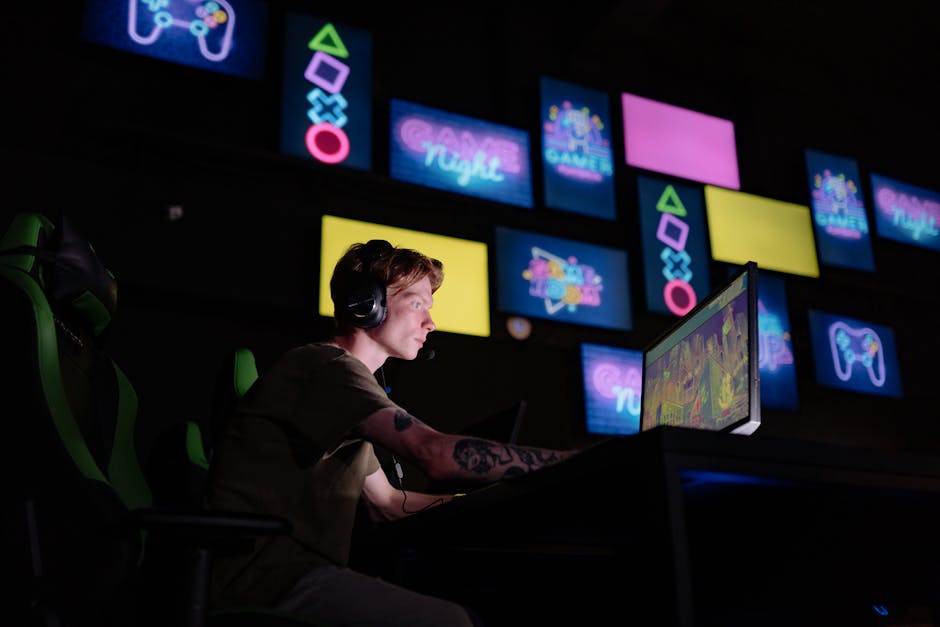

Fresh Players in the Game Industry Arena
2026 has already dropped a wave of announcements from fresh game studios not just indie upstarts, but brand new teams loaded with veteran chops. The landscape’s shifting fast, and it’s not just about who’s next it’s about who’s coming prepared.
Several major publishers, including Sony, Tencent, and Xbox Game Studios, are backing tightly focused creative pods. These aren’t your average corporate side projects; they’re lean, purpose built groups with freedom to chase weird ideas and risky concepts. Some have even poached big name talent straight out of AAA pipelines.
At the same time, the indie scene is leveling up. Former creative leads from hits like Hollow Knight and Celeste have splintered off to form their own outfits. They’re done asking for greenlights now they’re building from scratch with full control and cult followings already in place.
From ex Bioware crews launching narrative driven efforts to art house teams exploring procedural storytelling, the spread is wide. What unites them: independence, intention, and a hunger to shake off safe sequels. 2026 is looking less like a refresh, and more like a reset.
Studios Backed by Big Names
A wave of new studios launched by industry veterans is sending ripples through the gaming world. These aren’t just passion projects they’re backed by serious pedigree, capital, and ambition. With creative leads hailing from some of the most respected AAA studios, expectations are sky high.
AAA Talent Goes Independent
The trend of top tier developers leaving major publishers continues to accelerate. Freedom, creative control, and the desire to break away from legacy IPs are driving this shift.
Notable examples:
Hightower Interactive: Founded by former Activision creative leads, promising a tactical sci fi FPS built in Unreal Engine 5.
Lumen Realms: Built by ex Bethesda developers, focusing on immersive single player RPGs with next gen world simulation.
Farsight Games: Formed by narrative designers from BioWare and Naughty Dog, aiming to revive character driven fantasy adventures.
These studios are being kept firmly on the radar thanks to their founders’ industry reputations and proven track records.
Serious Capital, Serious Expectations
Investors and major publishers are putting real money behind these ventures. Veterans with a strong portfolio are proving to be a safe bet in an otherwise risk heavy market.
Recent funding rounds at a glance:
Hightower Interactive: $30M Series A led by Redpoint Ventures and Lightspeed Partners.
Lumen Realms: $22M in early seed funding, backed by NetEase and a16z Games.
Farsight Games: Secured a $15M pre launch grant through Epic Games’ developer accelerator.
Venture capital firms are betting not only on the teams’ pedigree, but also on the growing gamer appetite for new voices and franchises.
Trust Built on Track Record
For gamers and publishers alike, past success is often the clearest signal of future performance.
These teams have led or shaped bestselling franchises, ranging from first person shooters to expansive open world games.
Many are applying lessons learned from previous studio environments expected to lead to improved pipelines, healthier work cultures, and more ambitious creative goals.
The industry is watching closely to see if their bold creative freedom also translates into commercial hits.
Bottom Line: With experienced talent, proven vision, and deep funding, these new studios aren’t experimenting they’re planning to lead.
Projects Already Making Noise
Even in early development, some projects from these newly assembled studios are already punching above their weight. Trailers, cinematic teasers, and a handful of strategic leaks have been enough to light up forums and comment sections. Hype is quietly building not from massive marketing campaigns yet, but from how different these games are shaping up to be.
Genre wise, sci fi continues to sit at the top of the announcement heap, but it’s not all laser blasters and space marines. We’re seeing layered, narrative driven RPGs with a psychological edge. The other big mover is co op survival worlds built for friends to explore, build, and fight together, often with persistent progress systems and live service hooks.
What also stands out? A willingness to push tech boundaries. Unreal Engine 5 is becoming the default, not the flex. Next gen lighting, fluid character animations, and large scale environments that load seamlessly these games aren’t just promising prettier graphics. Some are integrating AI driven NPC behavior and real time environment changes powered by cloud tech. The devs are clearly betting big on immersion, not just spectacle.
It’s early days, but these projects are signaling one thing loud and clear: new blood in the industry isn’t here to play it safe.
Cross Platform Movement and Its Role

One of the clearest trends among newly announced game studios in 2026 is a firm commitment to cross platform development. With early projects already confirming plans for release across all major consoles and PC, it’s clear this isn’t a niche strategy it’s the new standard.
Multiplatform by Default
Gone are the days when studios would launch on PC first and trickle to consoles later (or vice versa). Today’s new studios are prioritizing day one parity across all major systems:
PlayStation, Xbox, and PC are now expected to be equally supported at launch
Switch and Steam Deck compatibility is also part of early conversations in many cases
Mobile and cloud streaming platforms may follow for long tail support
How This Shapes Development
This commitment to parity is reshaping how games are built from the ground up:
Engine choices matter: Many new teams are building on Unreal Engine 5 or Unity’s latest builds to ensure cross platform scalability
Unified UX teams are being embedded from the start to reduce platform specific compromises
Testing pipelines are more robust, often running simultaneous QA across device ecosystems
Accessibility and Simultaneous Releases
New studios are also prioritizing accessibility not just for hardware but for players of all types. This dovetails with the new cross platform mindset:
Simultaneous launch windows maximize visibility and player base growth
Input flexibility (gamepad, mouse/keyboard, adaptive devices) is being treated as a design layer consideration
New monetization models, such as cross platform progression and shared DLC access, further incentivize broad availability
For a deeper dive into how console and PC cooperation is evolving, check out Consoles vs PC: Latest Developments in Cross Platform Gaming.
The next wave of franchises is being built for an audience that doesn’t want limits and these new studios appear to be listening.
Tech and Tooling That’s Making It Possible
Behind every bold new studio announcement is a toolkit that’s evolving faster than ever. Procedural world building isn’t just a trick for indie devs anymore it’s now a core engine in big budget development pipelines, letting small teams generate entire ecosystems without handcrafting every blade of grass. AI assisted design is keeping pace, helping with everything from outlining questlines to auto generating placeholder assets, slashing concept to prototype times in half.
The shift to cloud based dev environments is just as pivotal. Studios no longer need everyone in the same room, or even the same time zone. Remote teams can plug into shared builds, test environments, and live revision tools without missing a beat. Cross studio collaboration, born out of pandemic necessity, is now a permanent advantage. Engine tweaks, art updates, even entire modular content systems are flowing between partner teams as naturally as Slack messages.
This kind of pipeline isn’t just helping games get made faster it’s enabling smarter, more adaptive workflows. The tools are there. What new studios do with them will set the tone for the next five years of game development.
What This Means for Gamers
New studios don’t carry the weight of legacy pipelines, bloated franchises, or cautious C suite execs. That freedom leads to sharper edges and bigger creative swings. Without a ten year franchise roadmap to follow, teams can build from scratch and many are doing just that, chasing ideas that wouldn’t make it past pitch meetings at traditional publishers.
At the same time, the industry is feeling the drag of IP fatigue. Players are starting to shrug at sequel number five or remaster number three. That’s opened the door for a fresh wave of IP original worlds, unfamiliar mechanics, unproven concepts. And because these studios have something to prove, they’re swinging hard.
That’s why 2026 is shaping up to be the most important year for original gaming content in over a decade. The mix of ex AAA talent, indie vision, and evolving tech has created a pressure cooker of opportunity. If you’ve been feeling like games are stuck in a loop, you won’t want to blink next year.
Watchlist: Studios to Keep an Eye On
A new wave of studios is making its move in 2026, and a few names are already sparking some serious interest. Here are five up and comers worth watching:
1. EmberFold Studios Formed by former BioWare and Respawn devs, EmberFold has teased a character driven sci fi RPG that leans hard into moral choice and adaptive narratives. Codenamed Project Ashlight, it’s built in Unreal Engine 5 and shows early signs of that crunchy, cinematic feel old school fans crave. Expect a teaser trailer by Q3 2026.
2. Red Circuit This indie led team out of Berlin just dropped a minimalist teaser for Static Lines, a co op, rhythm action shooter with heavy synthwave influence. Their lead came from Superhot Team, and that DNA shows. Prototype demo is rumored for GameFest 2026.
3. Blue Ember Collective Not to be confused with EmberFold. This one’s backed by Annapurna Interactive and features a rotating dev roster tackling interactive art games. Their debut title, Vespersong, merges music mechanics with watercolor visuals. Set for a limited alpha in late 2026.
4. Hollow Arc A remote team spun up from ex Ubisoft and Remedy talent. Their project, Ghostreach, is a slower paced narrative horror with dynamic world states. The studio’s been open about using AI tools carefully for environment generation, but all storytelling is human written. Announcement trailer is scheduled for fall.
5. Iron Vale Backed by Tencent but operating independently out of Vancouver, Iron Vale is building a PvEvP world that blends extraction shooter mechanics with rogue lite upgrades. Their internal playtests have drawn early attention on closed Discords. Public beta? Possibly late 2027.
Each of these studios is aiming high, and more details will surface as announcements stack up heading into awards season.
 Havros Yelthorne writes the kind of esports coverage and updates content that people actually send to each other. Not because it's flashy or controversial, but because it's the sort of thing where you read it and immediately think of three people who need to see it. Havros has a talent for identifying the questions that a lot of people have but haven't quite figured out how to articulate yet — and then answering them properly.
They covers a lot of ground: Esports Coverage and Updates, Latest Game News, Game Strategy Guides, and plenty of adjacent territory that doesn't always get treated with the same seriousness. The consistency across all of it is a certain kind of respect for the reader. Havros doesn't assume people are stupid, and they doesn't assume they know everything either. They writes for someone who is genuinely trying to figure something out — because that's usually who's actually reading. That assumption shapes everything from how they structures an explanation to how much background they includes before getting to the point.
Beyond the practical stuff, there's something in Havros's writing that reflects a real investment in the subject — not performed enthusiasm, but the kind of sustained interest that produces insight over time. They has been paying attention to esports coverage and updates long enough that they notices things a more casual observer would miss. That depth shows up in the work in ways that are hard to fake.
Havros Yelthorne writes the kind of esports coverage and updates content that people actually send to each other. Not because it's flashy or controversial, but because it's the sort of thing where you read it and immediately think of three people who need to see it. Havros has a talent for identifying the questions that a lot of people have but haven't quite figured out how to articulate yet — and then answering them properly.
They covers a lot of ground: Esports Coverage and Updates, Latest Game News, Game Strategy Guides, and plenty of adjacent territory that doesn't always get treated with the same seriousness. The consistency across all of it is a certain kind of respect for the reader. Havros doesn't assume people are stupid, and they doesn't assume they know everything either. They writes for someone who is genuinely trying to figure something out — because that's usually who's actually reading. That assumption shapes everything from how they structures an explanation to how much background they includes before getting to the point.
Beyond the practical stuff, there's something in Havros's writing that reflects a real investment in the subject — not performed enthusiasm, but the kind of sustained interest that produces insight over time. They has been paying attention to esports coverage and updates long enough that they notices things a more casual observer would miss. That depth shows up in the work in ways that are hard to fake.