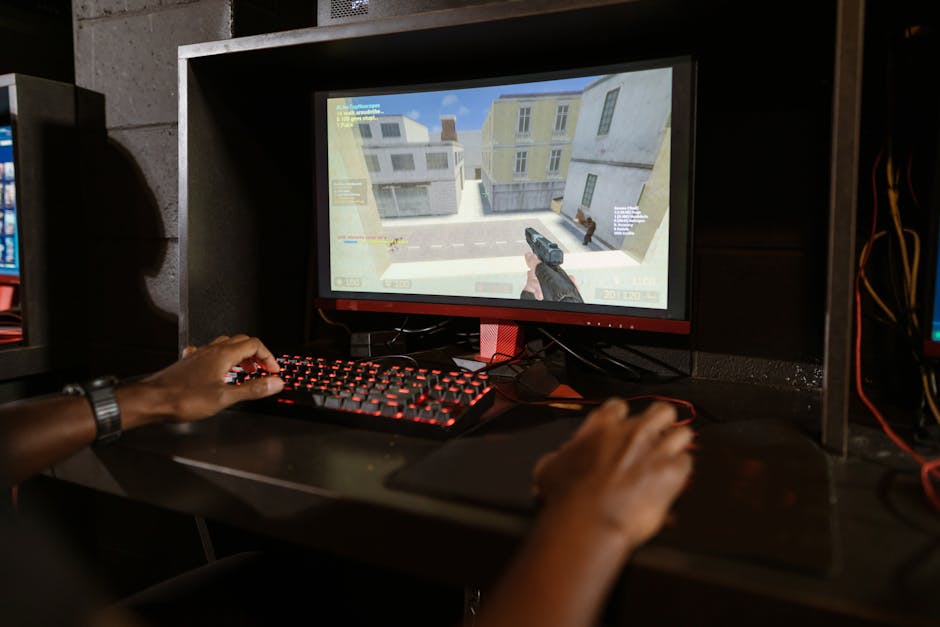
Lock In Your Aim Mechanics
Great aim doesn’t just happen it’s built through disciplined practice and smart routine. If you’re serious about climbing the ranks in competitive FPS, your mechanics are the foundation.
Start with Aim Trainers
Dedicated aim trainers can isolate specific skills and help you improve faster than gameplay alone.
Popular tools include Kovaak’s and Aim Lab
Focus on drills that target tracking, flicking, and target switching
Use data and scores to track your progress over time
Warm Up with Purpose
Just like athletes don’t jump into competition without stretching, FPS players should prepare their aim before every session.
Commit to 10 15 minutes of warm up each day before ranked or scrims
Try simple repetition drills or jump into a warm up map in your game of choice
The goal is consistency smooth your aim before real stakes hit
Stay Consistent with Sensitivity
Changing your sensitivity every few weeks is a trap many players fall into. Consistency builds muscle memory.
Pick a DPI and in game sens and stick with it over time
Avoid adjusting to trends or copying pro settings blindly
Trust your own hands mastery comes from repetition, not reinvention
Master a Single Role First
Before you try to do everything, do one thing well.
Whether you’re dropping entry frags, anchoring sites on defense, or holding long angles with a sniper, picking a single role and mastering it is the fastest way to get good in competitive FPS games. Too many players scatter their focus one minute flashing into bombsites, the next whiffing shots as an off role AWP. It doesn’t work.
Locking into one role means learning its rhythm, responsibilities, and angles like muscle memory. You start to predict enemy patterns, know what your teammates need from you, and perform under pressure with less hesitation. Mastery here gives you an edge over players who are still figuring it out every round.
Once you’ve clocked solid reps in one role, then you can start branching out. Think of it like weightlifting you don’t rotate through lifts every other session and expect consistent gains. Build depth, then go wide.
Learn to Read the Mini Map
Keeping track of what’s happening beyond your immediate screen is critical in any competitive FPS. The mini map is one of your most powerful tools if you use it correctly. Mastering it can mean the difference between being in the right place at the right time or walking into a trap.
Avoid Tunnel Vision
Don’t get so locked into your crosshair that you ignore your surroundings.
Make it a habit to glance at the mini map every few seconds just like checking your mirrors while driving.
Develop rhythmic awareness: process both what you see and what it implies.
What Good Mini Map Awareness Gives You
When used effectively, the mini map can provide a wealth of information that helps with:
Tracking enemy movement: See where shots were taken, where players vanished from radar, or where movement was last heard.
Understanding teammate positioning: Know who’s where and how spread out or stacked your team is.
Predicting rotations: Read the developing play based on patterns like where enemies might rotate after a failed push.
Being map aware helps you anticipate, plan, and react. It’s a skill that matures with consistent effort and observation you’re not just playing your screen, you’re playing the whole map.
Communicate Like a Leader
In competitive FPS, your voice is a tool not a siren. The players who help their teams win don’t scream the loudest; they speak the clearest. Calm, controlled callouts during high pressure moments can stabilize the entire squad. Instead of panic yelling, say what’s needed: enemy count, their position, and what abilities or utility they’ve used.
Avoid overtalking. Practice mic discipline. If everyone’s trying to be the shot caller, nobody hears anything. Keep callouts tight and focused. Learn your team’s tempo and know when to speak and when to listen. A well timed “two mid, one pushed garage, flash used” is worth more than a full volume rant after dying.
Leadership starts in the comms. Make your words count, and your team will follow.
Fine Tune Your Settings
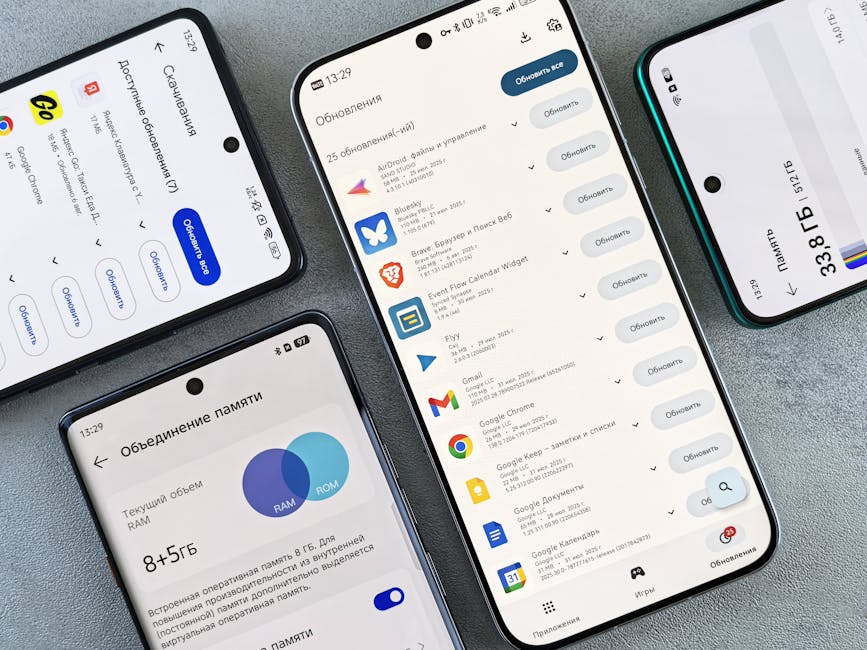
In a competitive FPS environment, your settings aren’t just preferences they’re weapons. First thing: dial in your crosshair. It should be clear, not flashy. Pick a color that doesn’t blend into the maps you play most. Your crosshair isn’t a design statement; it’s a targeting tool. Keep it minimal, keep it visible.
Keybinds come next. Default works for casuals, but shaving milliseconds off reactions starts with muscle memory. Put critical actions like utility throws, weapon swaps, or crouch exactly where your fingers want them to be. Don’t just copy a pro. Experiment, review gameplay, tweak, repeat.
The HUD needs your attention too. Clean, informative, and not in the way. Strip it down to what helps you process info in real time: ammo, minimap, ability status. Everything else is clutter.
Then there’s performance. High FPS beats pretty textures, every time. Drop shadows, volumetrics, and ambient effects. You’ll barely notice in the heat of a ranked clutch, but your GPU will thank you and so will your kill/death ratio.
Finally, if you’re still playing on a 60Hz monitor in 2026, it’s time to upgrade. A high refresh rate (144Hz and up) isn’t luxury it’s the current floor for serious ranked play. The smoother motion tracking alone gives you a real edge in snap fights and tight peeks.
Break Down Replays
Grinding games for hours doesn’t guarantee growth. Watching your own replays does. Scrubbing through your VODs especially losses lets you see the moments where your decisions fell apart. Maybe you peeked too wide. Maybe you rotated late. Either way, the tape doesn’t lie.
This kind of reflection is sharper than just playing more matches. It gives you patterns to fix, timing cues to memorize, and habits to correct. Even ten minutes of focused VOD review can clue you into why your aggressive pushes keep backfiring or when your crosshair placement drifts during pressure.
Treat replay analysis like a personal coach that never sleeps. Don’t just skim for highlights dig for the ugly stuff. It’s where most of your progress is hiding.
Want deeper strategy insights? Check out this RPG lesson crossover on building strong fundamentals.
Sound is Your Win Condition
Late game fights? It’s not your flashy skins or fancy shaders that save you it’s your ears. Visuals get cluttered, chaos kicks in, and the players who can truly listen take the upper hand. High quality headphones aren’t optional anymore. They’re your radar. Knowing if someone’s reloading behind a wall or sneaking up catwalk comes down to split second audio cues. You need surround clarity, not budget Bluetooth earbuds.
Beyond gear, your in game sound settings matter too. Cut the clutter lower music, dampen ambient noise, and boost footsteps and utility sounds. Sound mixing isn’t glam, but it’s the meta.
Training your ear is just like training your aim. Get used to tracking movement by footsteps alone. Know the difference between a walk and a sprint, a frag pull and a smoke click. Replays help focus on what you heard versus what actually happened. With time, you’ll call out a flank before anyone’s even seen it.
Perfect Your Crosshair Placement
Crosshair placement is one of the most underrated fundamentals in competitive FPS games but it can make or break key encounters. Great aim isn’t just about reaction time it’s about reducing the work your crosshair has to do in the first place.
Key Crosshair Placement Strategies
Always keep your crosshair at head level to maximize your time to kill. This ensures a shot is ready the moment a target appears.
Position your crosshair near common choke points or enemy peeks, especially around corners and doorways. This anticipates rather than reacts, shaving milliseconds off your response time.
Minimize unnecessary micro adjustments. When your crosshair does most of the positioning work beforehand, your flicks and tracking become cleaner and more efficient.
Why It Works
Reduces mouse movement = faster reaction shots
Reinforces muscle memory over time with repeated good habits
Combines prediction and preparation, especially powerful in high pressure clutch moments
Pro Tip: Watch high level players and focus only on their crosshair discipline. You’ll notice their aim often looks effortless not because of god tier flicks, but because their placement forces easy engagements.
Start with consistent crosshair height, then refine your angles based on map knowledge and enemy behavior. Smart crosshair placement is like pre aiming success.
Use Utility with Purpose
Utility wins rounds. It’s not just about gunplay smokes, flashes, and stuns create the conditions that make fights winnable in the first place. A well placed smoke can block an AWP’s line of sight. A flash timed right can open up a site. A stun through a choke can break a push before it starts. These aren’t optional they’re answers to real problems mid round.
But here’s the catch: random utility is dead weight. If you’re tossing nades just because you spawned with them, you’re wasting advantage. The top players study setups. They learn exact smoke lineups for key angles. They know flashbang timings by heart. They use utility to deny info, apply pressure, and force rotation not just for blind chaos.
Want to level up? Stop thinking of utility as accessories. Start treating them like tools for map control and mental pressure. That shift in mindset is what separates fraggers from game changers.
Play with the Intent to Improve
Winning isn’t the goal it’s the side effect. The real work happens in your decision making, your pacing, your discipline. Every match is a live testing ground where better choices positioning, timing, risk management pile up into better outcomes. Brute reflexes alone won’t carry you far in ranked play. So stop fixating on the scoreboard.
Instead, load into every session with a focus. Maybe today it’s tightening up post plant defense. Maybe it’s better use of flashbangs. Doesn’t matter what it is just make it intentional. One objective per session. Stack those, and improvement builds brick by brick.
Stay focused on the process. Obsessing over rank turns needy fast. Process first players stay steady even during losing streaks they know improvement is the real grind. Rank will follow. Let it.